
Mechanical Performance
Magnesium drives the strength and stiffness of the 5xxx and 6xxx aluminum families used across automotive body sheet, structural extrusions, and industrial applications.

Trinity is one of the largest processors of magnesium scrap in North America — supplying a critical input into aluminum production. Continuous operation since 2001, under the Trinity name since 2008, with the same leadership since inception.
Trinity specializes in the sourcing, processing, and conversion of a wide range of magnesium scrap into consistent, specification-grade material used in aluminum alloying and other metallurgical applications. Our operations are designed to handle complex, variable, and industrial-grade inputs at scale while delivering reliable, repeatable output aligned with customer requirements. The business is privately held, well-capitalized, and run with a long-term, relationship-driven posture.
Magnesium is one of the most important alloying elements in aluminum. Across rolled, extruded, and cast aluminum products, magnesium imparts the strength, formability, weldability, and corrosion resistance that downstream end markets require — and consistency of supply is what allows mills to hold their alloy chemistry on every heat.
Magnesium drives the strength and stiffness of the 5xxx and 6xxx aluminum families used across automotive body sheet, structural extrusions, and industrial applications.
Magnesium-bearing alloys are central to the rolled and welded products that fabricators rely on across transportation and infrastructure manufacturing.
Magnesium content underpins the corrosion resistance of marine, packaging, and exterior aluminum products serving long-life industrial applications.
Through our customers in the aluminum value chain, Trinity's magnesium units flow into a broad set of strategically important end markets.
Body sheet, structural extrusions, and cast components for both internal-combustion and electrified vehicle platforms.
High-performance aluminum alloys used across airframe, structural, and component applications.
Lightweight, high-strength aluminum systems and components for defense platforms — supported by domestic supply.
Beverage and food can sheet — one of the highest-volume rolled aluminum products, where magnesium chemistry is central.
Architectural extrusions, transportation infrastructure, and industrial fabrication.
Specialized downstream operators with magnesium requirements outside primary aluminum alloying.
Aluminum producers cannot run an alloy program on variable inputs. Trinity is built around delivering material that meets the same specification every shipment — supported by independently certified management systems, a patented processing system, and an in-house laboratory that certifies every load against customer requirements.
Multiple U.S. patents (with Canadian patents in process) cover Trinity's proprietary magnesium processing technology — engineered for repeatability at industrial scale.
Fully equipped to certify incoming and outgoing material against customer specifications — every shipment, with documentation.
Independently audited quality, environmental, and occupational health & safety management systems — the discipline behind consistent output.
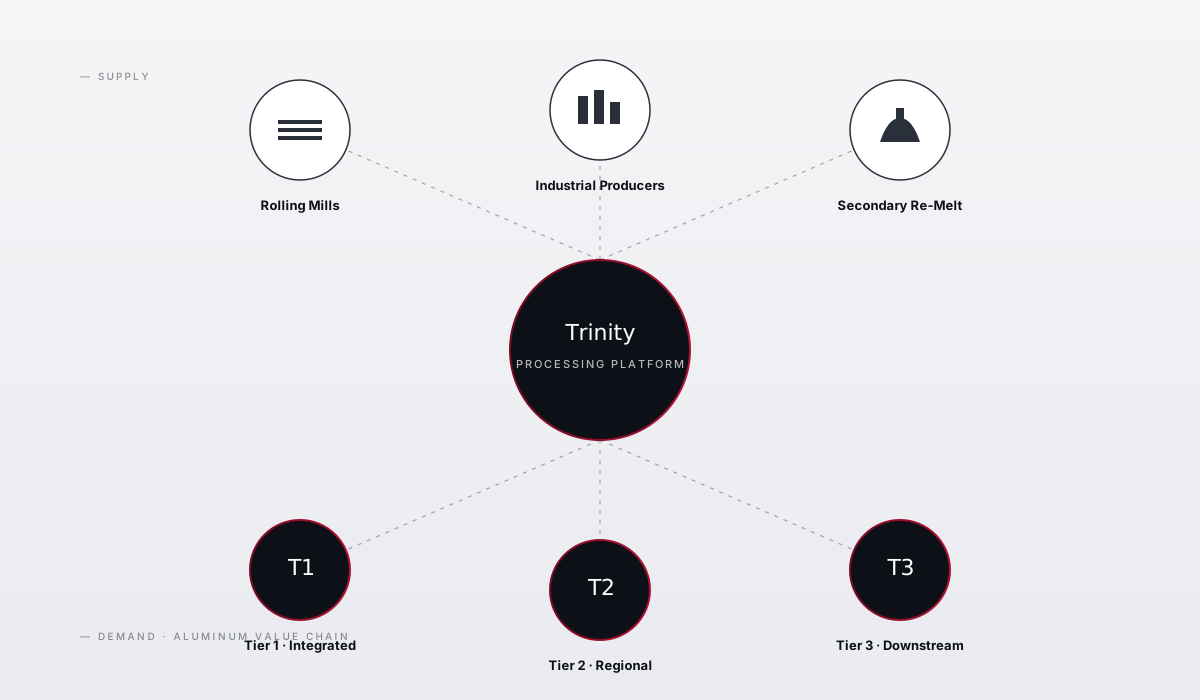
The U.S. domestic magnesium supply base is constrained. Trinity sits between scrap generators and the aluminum value chain — converting industrial, post-consumer, and off-spec magnesium into specification-grade material that integrated producers, regional processors, and specialized downstream operators can rely on.
Large, vertically integrated aluminum producers with primary and secondary operations. Served through established supply programs.
Regional aluminum processors and alloy houses that rely on specification-aligned magnesium units for their heats.
Specialized downstream operators with precise input requirements — served through tailored packaging and delivery formats.
Trinity is structured to support consistent, high-volume supply — and welcomes direct counterparty discussions with buyers at any tier.
We source actively — directly from counterparties across the value chain. The platform is built to accept material in varying conditions and deliver output aligned to customer specifications. New sourcing relationships are welcomed.
Industrial scrap · post-consumer magnesium · obsolete & end-of-life material.
Off-spec magnesium units · secondary magnesium · alloy ingot (specification-grade and off-spec).
Die cast scrap · mixed magnesium streams · complex industrial inputs.
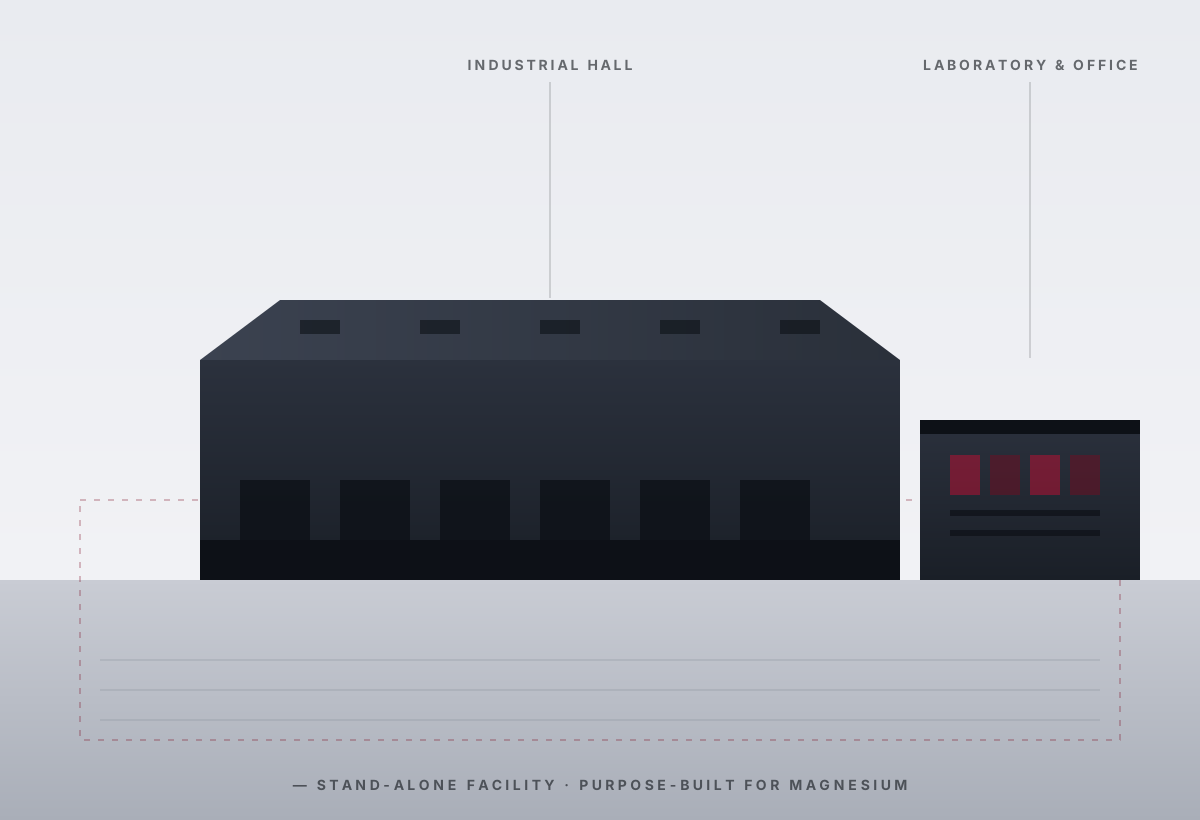
Infrastructure is where professionalism becomes visible. Trinity's facility, certifications, laboratory, and safety systems are the reason sophisticated customers treat us as a core supplier rather than a spot counterparty.
A dedicated, purpose-built site for the handling of magnesium.
Independently certified quality, environmental, and occupational health & safety management systems.
Fully equipped to certify incoming and outgoing material against customer specifications.
Inbound inspection protocols include radiation screening — part of a broader safety and compliance posture.
A state-of-the-art suppression platform designed specifically for magnesium and related materials.
Formats tailored to downstream handling, with nationwide and international delivery.
Trinity's capabilities are supported by a patented magnesium processing system and internally developed processes refined over more than two decades of operation. The company holds multiple U.S. patents (with additional Canadian patents in process) related to the processing of magnesium scrap — reflecting ongoing investment where it matters: consistency of output, efficiency at scale, and a durable competitive position.

Flexible, customer-specific packaging — matched to the way material will be handled, charged, and stored on arrival. Shipments are coordinated to the customer's operating cadence and cleared for the jurisdictions they supply.
If you are seeking a reliable, long-term supply partner with proven capability, we welcome the opportunity to connect.